
Hunting
Best Hunting Spots For Beginners – Proven & Confident Wins

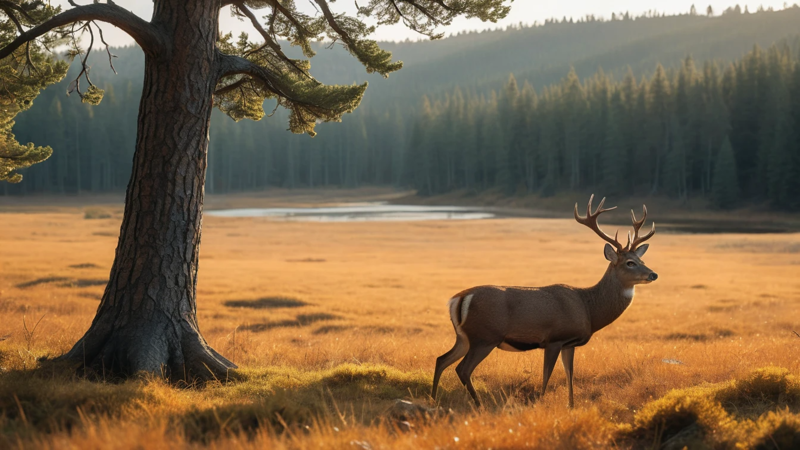
Best hunting spots for beginners explained with easy tips, safe locations, and smart strategies to help first-time hunters succeed confidently.
Best hunting spots for beginners are locations that offer easy access, high game populations, clear rules, and forgiving terrain. These spots help new hunters learn skills safely, build confidence, and enjoy early success without feeling overwhelmed.
Have you ever wondered why some new hunters struggle while others tag game in their first season? 🤔
The difference usually isn’t luck. It’s where they hunt. Choosing the right beginner-friendly hunting spot can make everything easier, safer, and more enjoyable.
The best hunting spots for beginners are public lands, managed wildlife areas, private leases, and low-pressure zones with simple access and clear regulations. These locations allow you to focus on learning instead of stressing.
Best Hunting Spots For Beginners 🦌
Understanding What Makes A Spot Beginner-Friendly 🎯
A good beginner hunting spot removes unnecessary stress. You don’t want steep terrain, confusing rules, or intense competition. You want places that forgive mistakes and help you learn.
Beginner-friendly spots usually have well-marked boundaries and maintained access roads. Game movement is predictable, which helps you understand animal behavior faster. These areas also allow flexible hunting methods.
Look for locations with active wildlife management. That means healthier game numbers and better success rates. Confidence grows quickly when you see animals regularly 😊.
Public Hunting Lands Are A Smart Starting Point 🌲
Public lands are often the first choice for beginners. They’re affordable, accessible, and legally open to everyone. Many new hunters start here without pressure.
These lands include national forests, BLM lands, and state-managed properties. Rules are clearly published and easy to follow. You can hunt without worrying about trespassing.
Public lands also help you practice scouting skills. You’ll learn tracks, trails, and feeding areas. This hands-on learning is priceless early on.
State Wildlife Management Areas Offer Structure 🦆
Wildlife Management Areas (WMAs) are designed for hunters. They’re managed for game populations and safety. This makes them excellent for beginners.
Most WMAs include parking areas, maps, and posted regulations. That removes confusion and keeps you focused. Some even offer youth or beginner-only seasons.
These areas also have controlled hunting pressure. That means animals behave more naturally. You’ll learn real-world hunting patterns faster.
National Forests Provide Space And Opportunity 🏕️
National forests cover millions of acres across the U.S. They’re open to hunting and great for beginners who want room to explore. You won’t feel crowded.
The terrain is usually mixed, not extreme. This helps new hunters move comfortably and stay safe. Roads and trails offer easy access points.
National forests also allow multiple game species. You can switch strategies if one hunt doesn’t go as planned. Flexibility boosts confidence early on.
Private Land With Permission Builds Confidence 🤝
Hunting private land is a game-changer for beginners. With permission, pressure drops and success rates rise. Animals feel safer and behave naturally.
Landowners often share helpful insights. They’ll tell you where animals feed or travel. That guidance shortens the learning curve.
Private land also offers controlled environments. You can hunt quietly without competition. This makes first hunts less intimidating.
| Location Type | Beginner Benefit | Difficulty Level |
| Public Land | Free access, large areas | Moderate |
| WMAs | Clear rules, managed game | Easy |
| Private Land | Low pressure, guidance | Very Easy |
Hunting Near Agricultural Fields Is Beginner Gold 🌾
Farmland edges are some of the best hunting spots for beginners. Game animals love crops. Food sources mean predictable movement.
Deer, turkey, and small game frequent these areas. You’ll spot animals more often. That builds excitement and confidence quickly.
Always secure landowner permission. Respect boundaries and crops. Ethical behavior earns trust and future access 👍.
Small Game Areas Are Perfect For First Hunts 🐇
Starting with small game reduces pressure. Rabbits, squirrels, and upland birds are abundant and forgiving targets. Mistakes won’t ruin the hunt.
Small game areas are usually close to towns. Travel is easier and less expensive. You can hunt shorter sessions and still learn a lot.
These hunts sharpen skills like stalking, shooting, and tracking. Those skills transfer perfectly to big game later.
Beginner-Friendly Deer Hunting Zones 🦌
Some states offer zones specifically designed for new hunters. These zones have higher deer densities and longer seasons.
Terrain is often flat or gently rolling. Visibility is better, which helps beginners stay aware and safe. Shot opportunities come more often.
Check state regulations for antlerless-only or youth zones. These options are perfect learning environments.
Waterfowl Areas With Managed Access 🦆
Waterfowl hunting doesn’t have to be intimidating. Managed wetlands and refuges simplify the experience. They often use draw systems to limit pressure.
These areas provide blinds or marked zones. You won’t guess where to set up. That removes stress for first-time hunters.
Waterfowl also move in predictable patterns. Watching flights teaches timing and positioning fast. It’s exciting and educational.
Low-Pressure Zones Increase Success Rates 📈
Avoid heavily hunted spots early on. High pressure makes animals nervous and unpredictable. Beginners benefit from calmer environments.
Low-pressure zones include remote public lands or limited-entry areas. Fewer hunters mean better animal behavior. Learning becomes easier.
Success builds motivation. Motivation builds skill. Starting smart keeps you coming back season after season.
| Game Type | Best Beginner Spot | Why It Works |
| Deer | WMAs, farmland edges | Predictable movement |
| Small Game | Public woods | High populations |
| Waterfowl | Managed wetlands | Structured access |
Urban Fringe Areas Can Surprise You 🏙️
Hunting near city edges is often overlooked. These areas hold strong wildlife populations. Animals adapt well to human presence.
Regulations may allow archery-only seasons. This limits pressure and increases opportunity. Beginners benefit from calmer animals.
Always double-check local laws. Safety and legality matter most. When allowed, these spots are hidden gems.
Western States Offer Vast Beginner Options 🏔️
Western states provide massive public lands. New hunters get room to roam and experiment. Pressure spreads out naturally.
Terrain varies, but many areas are beginner-friendly. You can choose flat valleys or rolling hills. Flexibility matters early on.
Species variety is another benefit. You can hunt deer, elk, or small game in one area. Learning accelerates quickly.
Eastern States Provide Dense Game Populations 🌳
Eastern states may have less land but higher game density. Beginners often see animals faster. That’s motivating.
Woodlots, WMAs, and mixed farmland dominate. These environments teach tracking and stand placement well.
Shorter travel distances help too. You can hunt more often. Consistency improves skill faster.
Safety-Focused Areas Build Good Habits 🦺
Beginner hunters should prioritize safety-friendly locations. Clear visibility and posted zones reduce risk. Good habits form early.
Many managed areas require blaze orange. This improves visibility and confidence. You’ll feel more relaxed while learning.
Safe environments allow focus. You’ll learn ethics, patience, and awareness. These traits define great hunters.
Seasonal Timing Matters For Beginners ⏰
Timing affects success more than skill early on. Early seasons often have less pressure and more movement. Animals behave naturally.
Weather is usually milder too. Comfort helps beginners stay focused. Fatigue leads to mistakes.
Choose seasons designed for new hunters. Youth, apprentice, or early archery seasons are perfect entry points.
| Season Type | Beginner Advantage | Comfort Level |
| Early Season | Less pressure | High |
| Youth Season | Guided structure | Very High |
| Late Season | Visible movement | Moderate |
How To Scout Beginner Hunting Spots Effectively 🧭
Scouting doesn’t need to be complex. Walk trails, look for tracks, and observe feeding areas. Keep it simple.
Use maps provided by state agencies. Mark parking areas and boundaries. Preparation reduces anxiety.
Spend time watching before hunting. Observation builds understanding. Understanding leads to success 😊.
Mistakes Beginners Make When Choosing Spots 🚫
Many beginners choose spots based on hype. Popular doesn’t mean beginner-friendly. Crowds create frustration.
Others ignore regulations. That leads to stress and mistakes. Always read rules carefully.
Avoid extreme terrain early on. Physical strain distracts from learning. Comfort supports confidence.
Building Confidence Through Smart Location Choices 💪
Confidence is everything for new hunters. The right spot turns fear into excitement. Early success matters.
Beginner-friendly locations teach patience and awareness. You’ll learn without feeling rushed. Growth feels natural.
Choose spots that support learning, not pressure. Hunting should feel rewarding, not overwhelming.
Conclusion 🌟
The best hunting spots for beginners are safe, accessible, and rich in opportunity. Public lands, WMAs, private permission areas, and low-pressure zones offer the best learning environments. Start simple, stay ethical, and build confidence step by step. The right location can turn your first hunt into a lifelong passion.
FAQs ❓
What Is The Easiest Hunting Spot For Beginners?
Wildlife Management Areas are easiest. They have clear rules and managed game. They reduce confusion for first-time hunters.
Where Should A First-Time Hunter Start?
Start on public land or private land with permission. These areas offer flexibility and safety. They help build confidence quickly.
Are Public Hunting Lands Good For Beginners?
Yes, especially well-marked ones. They’re affordable and accessible. Many beginners learn successfully here.
What Game Is Best For Beginner Hunters?
Small game and deer are ideal. They’re abundant and forgiving. Success comes faster.
How Do Beginners Avoid Crowded Hunting Spots?
Hunt weekdays or low-pressure zones. Scout less popular access points. Timing and planning make a big difference.

How To Make The Most Of Your Vacation Smart Guide To Happy Travel

Low Cost International Travel Ideas: Smart Budget Bliss

Cheap Last Minute Flights To Europe Smart Savings Guide

Hiking the Appalachian Trail
