Hiking Backpacking
What Size Backpacking Pack Do I Need? 11 Pro Tips for the Perfect Fit

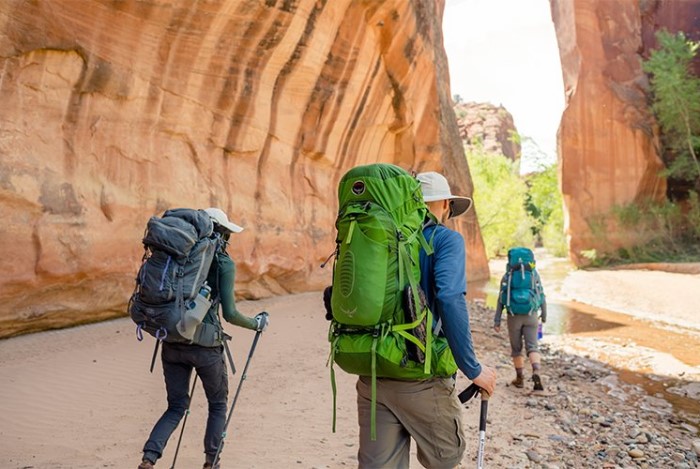
What size backpacking pack do I need? Discover how to choose the right fit, volume, and style for your next adventure with these easy expert tips.
What Size Backpacking Pack Do I Need? Choosing the Perfect Fit
Ever started a hiking trip only to realize your pack is either way too big or painfully small?
Yeah… it’s not fun. Choosing the right size backpacking pack can literally make or break your outdoor adventure. If it’s too small, you’ll end up strapping gear to the outside like a walking yard sale. Too big? You’ll carry unnecessary weight and wonder why your back hurts by mile two.
So if you’re wondering, “What size backpacking pack do I need?”—you’re in the right place. Let’s break it all down, step by step, in plain English.
Why Pack Size Matters More Than You Think
Backpacking is all about balance—carrying what you need without being weighed down. The wrong pack size throws that balance off. Here’s why getting it right is super important:
- Comfort: A pack that fits your body properly = less pain.
- Efficiency: You can find your gear faster when it’s packed right.
- Safety: A pack that’s too heavy or unstable can cause injuries.
- Enjoyment: Let’s face it—your trip is just more fun when your pack works with you, not against you.
Understanding Backpack Sizes by Volume (Liters)
Backpacking pack sizes are measured in liters—not pounds or inches. This tells you how much stuff the pack can hold.
Here’s a quick cheat sheet:
| Trip Length | Recommended Volume | Ideal Use Case |
|---|---|---|
| Day hikes | 15–30 liters | Snacks, water, light jacket |
| 1–2 nights | 30–50 liters | Ultralight overnights, weekend trips |
| 3–5 nights | 50–70 liters | Multi-day treks, moderate gear loads |
| 5+ nights | 70+ liters | Extended trips, winter camping, extra gear |
💡 Pro tip: Don’t go bigger just because you can. We all tend to fill empty space. Keep it snug and strategic.
Ask Yourself: How Long Are You Going Out For?
One of the first questions to ask is: How many days will I be on the trail?
- Short day hikes (under 1 day) → A small daypack (15–25L) is perfect.
- Weekend trips (1–2 nights) → Look for a 35–50L pack.
- Weeklong adventures (3–5 nights) → 50–70L is your sweet spot.
- Long hauls (5+ nights) → Go 70L+ only if you truly need it.
If you’re just starting out, a 50–60L pack is a solid all-arounder.
Do You Pack Light or Go Prepared for Everything?
Be honest here: Are you a minimalist or an over-preparer?
Light packers carry only the basics. They might have freeze-dried meals.
Comfort campers prefer extra clothes, real food, and a pillow. They need more room.
Here’s a visual breakdown:
| Gear Style | Pack Size | Notes |
|---|---|---|
| Ultralight | 30–45 liters | Minimalist gear, no extras |
| Traditional | 50–65 liters | Standard backpacking gear setup |
| Max Comfort | 65–80 liters | Heavier gear, winter gear, extras |
What Season Are You Hiking In?
Cold weather hikes mean more stuff. You’ll need extra layers, a thick sleeping bag, and maybe a snow tent.
- Summer trips → 45–60L is usually enough.
- Winter trips → You might need 65–80L for bulky gear.
For four-season backpacking, choose a pack that can adjust or has straps for compression.
How Much Does the Pack Itself Weigh?
Don’t forget the pack’s weight. Some big packs can weigh 5+ pounds empty. That’s heavy!
So, what’s the best choice?
- Ultralight packs: 2–3 lbs
- Standard packs: 3–5 lbs
- Heavy-duty packs: 5+ lbs (usually too much unless carrying 50+ lbs)
Remember, lighter isn’t always better. Make sure the pack is supportive and durable.
Does the Pack Fit Your Torso and Hip Size?
This is very important. Backpack sizes vary. You need to check:
- Torso length: Measure from the base of your neck to the top of your hips.
- Hip size: The waist belt should fit snug on your hip bones, not your stomach.
Packs usually come in small, medium, or large sizes. Some are adjustable.
Quick Fit Tips:
- The shoulder straps should start at or just below your shoulders.
- The hip belt should carry 80% of the pack weight.
- The pack shouldn’t lean far away from your back—it should hug you.
How’s the Frame Design? Internal vs External
There are two main types:
- Internal frame packs (most common): Hug your body, good for balance and comfort.
- External frame packs: Better for heavy, awkward loads. Good airflow but bulkier.
For most backpackers, internal frames are best. They’re sleeker, more modern, and move better with your body.
Do You Need Extra Features or Simplicity?
Some packs have all the bells and whistles. Others are simple and light.
Must-Haves:
- Padded hip belt
- Adjustable torso
- Load lifter straps
- External water bottle holders
Nice-to-Haves:
- Hydration bladder sleeve
- Sleeping bag compartment
- Removable top lid
- Gear loops and daisy chains
What About Women-Specific or Youth Packs?
Yes, they matter!
Women’s packs fit narrower shoulders and shorter torsos.
Youth packs grow with you, making them awesome for young hikers.
If you’re petite or have a smaller frame, try these. They often fit better.
Try Before You Buy (If You Can)
The best way to know what works? Try it on in-store.
- Load it with 20–30 pounds
- Walk around for 10–15 minutes
- Adjust the straps, see how it feels on your hips and shoulders
Don’t just look at the brand or design. Your body will tell you what feels right.
Top Backpack Brands to Consider
Here are some favorites that hikers swear by:
| Brand | Known For | Best For |
|---|---|---|
| Osprey | Comfort + features | All-around backpacking |
| Gregory | Heavy loads + plush padding | Longer treks |
| Deuter | Great ventilation | Hot-weather hikes |
| REI Co-op | Solid quality + price | Beginners + budget-friendly |
| Hyperlite Mountain Gear | Ultralight + waterproof | Minimalist long-distance hikers |
Quick Checklist: Choosing the Right Pack
✔️ What’s the trip length?
✔️ How cold or warm is it?
✔️ Do you go light or bring everything?
✔️ What’s your torso and hip size?
✔️ Are you carrying bulky items?
✔️ Do you want added features or simplicity?
“Your backpack shouldn’t just carry your gear—it should disappear into the journey.”
Final Thoughts: Go for Comfort, Not Just Capacity
Choosing the right backpacking pack is about more than just liters. It’s about how that pack feels on your back, how it fits your style, and whether it helps you enjoy the trail—or distracts you from it.
Start with your trip needs, then think about your gear style, the weather, and—most importantly—your comfort. Try on a few before you commit. When it feels like part of your body, you’ll know it’s the one.
FAQs
1. What size backpack is best for beginners?
A 50–60 liter pack is perfect for new backpackers. It’s big enough for a few nights but not too big.
2. Can I use a hiking daypack for overnight trips?
Only if you’re very light and experienced. Most trips need 30–40 liters for gear, food, and shelter.
3. Is it better to have a bigger or smaller pack?
Smaller is better—as long as it fits your gear. Big packs make you want to carry too much.
4. How should a backpacking pack feel when worn?
It should feel snug but comfortable. Most weight should be on your hips, not shoulders. No gaps, no pinching.
5. Can I use a travel backpack for backpacking trips?
Not really. Travel backpacks are for airports and hostels. Backpacking packs are for trails, support, and carrying gear.


Hiking the Appalachian Trail

Best Hunting Spots For Beginners – Proven & Confident Wins

Best Golf Resorts For Beginners – Ultimate Friendly Bliss

Best Camping Spots For Families – Ultimate Guide That Feels Amazing

Best Hiking And Backpacking Trails – Epic Adventures Guaranteed
Best Golf Resorts For Beginners – Ultimate Friendly Bliss
Best Hunting Spots For Beginners – Proven & Confident Wins